



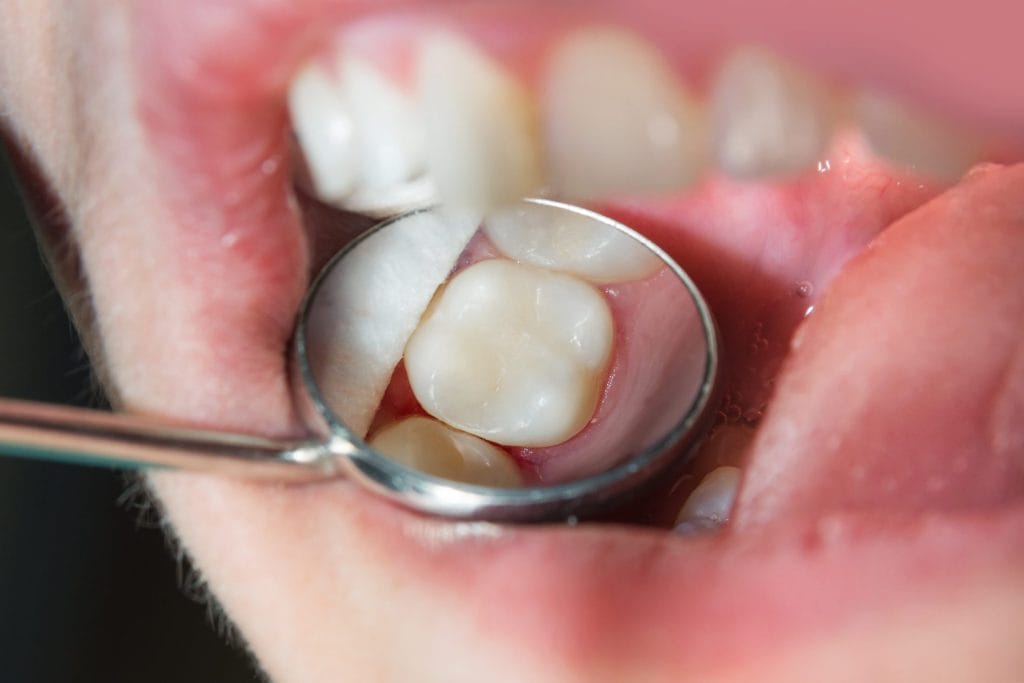
Modern dental care offers more options, especially when a cavity is small and caught early.
At Peter K. Cocolis, we focus on clarity and comfort so you understand what is happening and why. When tooth decay is in its earliest stage, your dentist may be able to strengthen and protect the tooth without traditional drilling. Prevention, early detection, and a personalized treatment plan can make a meaningful difference for your oral health and peace of mind.
A small cavity often feels like nothing at all, which is part of the challenge. Early enamel loss can develop quietly, and food particles and plaque bacteria can keep working even when you are not experiencing sensitivity. Routine exams help identify changes before they become bigger dental problems.
Addressing dental issues early protects the health of your teeth and reduces the chance of deeper damage that can lead to root canals, tooth loss, or more complex dental treatment. Early care also supports your overall health, as poor oral health has been linked to wider health problems, including heart disease.
Early tooth decay usually starts in the tooth enamel, the strong outer layer of the tooth. At this stage, you may have demineralization, which means minerals are leaving the enamel faster than they are being replaced. Your dentist looks for early warning signs during regular dental visits, often before a true “hole” forms.
Common early indicators include:
When decay is caught early, preventive care tends to be more comfortable and conservative.
Yes, under the right conditions, very early decay can stabilize and sometimes remineralize. This is not a promise that every cavity “goes away,” and it does not apply once the enamel has broken down into a larger defect. It does mean you may have options besides drilling when decay is caught early.
Remineralization depends on consistent good habits and professional guidance. Fluoride treatments, fluoride toothpaste, proper oral hygiene, and dietary adjustments support the process by strengthening tooth enamel and helping the mouth resist acid attacks. Your dental team can also help you understand where your oral hygiene routine is effective and where small changes can improve treatment outcomes.
Conservative dentistry focuses on protecting healthy tooth structure. If your dentist finds early decay, the next step is choosing the least invasive approach that still supports long-term dental health. In our office, we use visual tools to help you see what we see, so your decision feels clear and grounded.
Depending on your situation, options may include:
Each option is part of preventive dental care and can help you avoid bigger dental services later.
One reason dentistry has changed is improved diagnostics. Digital tools and imaging help identify oral health conditions earlier and with greater precision. When you can see images of your tooth and talk through what they mean, your treatment plan becomes easier to understand.
This approach fits our education-first philosophy. You deserve to know whether an area looks stable, what puts it at higher risk, and what best practices reduce the chance of progression. When a condition does require restorative dentistry, having a clear explanation often lowers stress and improves your comfort during the visit.
Your day-to-day routine matters, and it does not have to be complicated. Many patients do best with simple, consistent steps that support optimal oral health. Think of it as lowering the daily “acid exposure” that leads to enamel loss.
Here are practical, patient-friendly best practices:
These good habits support healthy teeth and reduce risk for gum disease and periodontal disease, which can complicate dental issues over time.
A high-quality preventive dentistry visit should feel organized, unrushed, and personalized. You should leave knowing what your dentist saw, what it means for your dental health, and what your options are. Regular dental visits also help screen for oral cancer and other oral diseases that benefit from early detection.
During a typical appointment, you can expect:
If you have more complex needs, our practice also supports dedicated conversations so you feel prepared and informed before moving forward.
Some people do everything “right” and still get cavities. That can feel frustrating, and it is also common. Your risk can be influenced by enamel wear, dry mouth, past dental problems, existing restorations, and even the shape of your teeth. Your dentist can help identify the patterns behind recurring dental issues so your preventive dental care becomes more targeted.
High-risk factors can include frequent snacking, grinding, certain oral health conditions, and a history of tooth decay. Gum disease and periodontal disease also matter because inflamed gums can make home care harder and increase the chance of bacteria-driven damage. When we understand your risk profile, we can recommend preventive services that fit you, not a generic checklist.
Sometimes a small cavity has progressed past the point where remineralization is realistic. In that case, restorative dentistry protects the tooth and prevents deeper decay. The goal stays the same: conserve healthy structure, keep you comfortable, and support strong function for the long term.
If you need restorative dental services, your plan might include a small filling, or in more involved cases, same-day crowns when appropriate. If decay reaches the nerve, endodontic care such as root canals can relieve infection and save the tooth. When teeth cannot be saved, tooth replacement options such as dental implants may be discussed. Every step should feel explained in plain language, with time for questions.
If it has been a while since your last visit, you do not need to feel embarrassed. The first step is simply getting a clear snapshot of your current dental health.
Schedule an appointment today with Peter K. Cocolis, in Springfield, VA,