



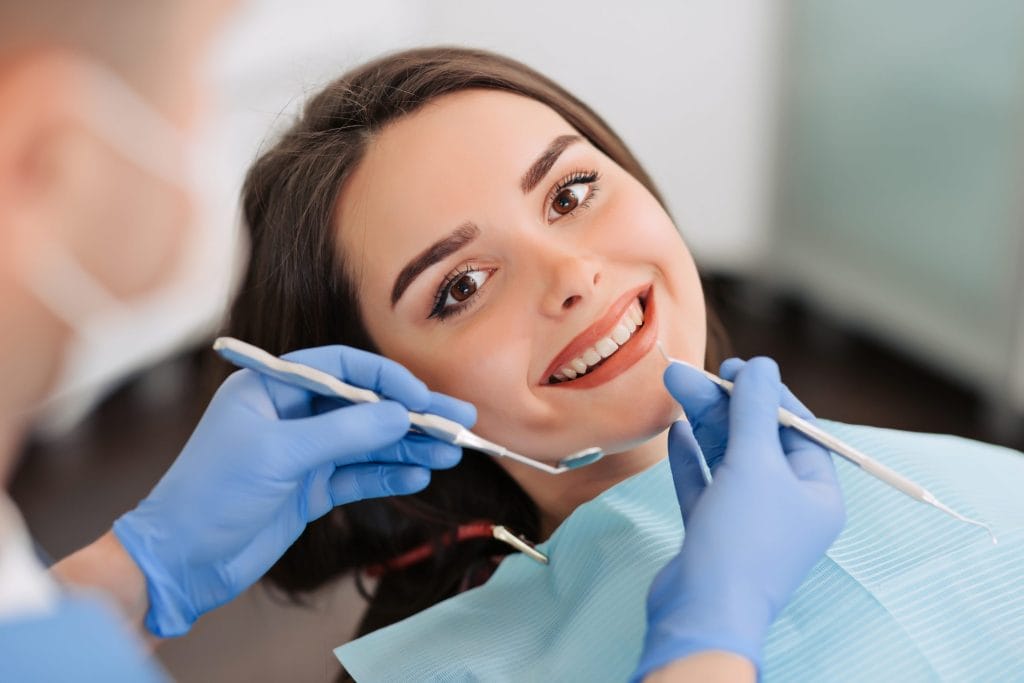
March often feels like a natural reset. If you postponed dental care during the holidays or got busy through winter, this is a practical time to check in on your oral health and ensure small issues aren’t turning into bigger ones.
Routine cleanings and exams are the foundation of preventive dentistry, and for many patients, that’s all they need. However, when a tooth is weakened, decay is present below the surface, or gum inflammation has progressed, restorative care becomes essential. It protects your natural teeth and restores your bite to comfortable, normal function.
Below are common signs your smile may need more than a cleaning, along with restorative options like fillings, crowns, periodontal care, and other procedures to help you feel confident about your dental health again.
A professional cleaning removes plaque and tartar you can’t safely remove at home, even with excellent brushing and flossing. It reduces bacteria, helps prevent cavities, and lowers the risk of gum disease. Exams also identify oral health issues early, when treatment is simpler.
However, a cleaning cannot rebuild a broken tooth, remove active decay, replace missing teeth, or reverse bone loss. If you have symptoms of structural damage or infection, restorative dentistry becomes crucial for protecting your comfort and oral health.
Your mouth often signals when something needs attention. Some signs are obvious, while others are easy to dismiss until they affect daily life.
Occasional sensitivity to cold is normal, but lingering sensitivity may indicate enamel wear, tooth decay, a failing filling, or gum recession exposing a tooth root. Sensitivity can also occur with a crack, allowing temperature changes to reach deeper layers of the tooth.
Frequent or increasing sensitivity warrants an evaluation to determine the cause. Treatment options range from a simple filling to a dental crown.
Sharp pain when chewing often points to a cracked or broken tooth, a damaged restoration, or inflammation inside the tooth. Pressure-related pain may indicate the need for root canal therapy to remove infection and preserve the tooth.
A precise diagnosis is key, as solutions can range from bite adjustments to restorative procedures.
If food consistently catches in one spot, the tooth’s shape or contact with neighboring teeth may have changed due to cavities, worn edges, shifting, or a damaged filling. Floss shredding can also signal a rough, chipped, or decayed edge.
These issues increase the risk of further damage, as trapped food feeds bacteria and irritates gums. Restorations like composite resin fillings or dental bonding restore smooth, cleanable contours for better home care.
Bleeding during brushing or flossing can indicate gum disease, especially if it persists beyond a few days of improved home care. Persistent bad breath may also stem from gum inflammation, deep plaque deposits, or infection.
Periodontal care reduces inflammation and protects the jawbone and supporting tissues. Improved gum health often leaves patients feeling cleaner and fresher.
Fillings can wear over time, and older materials may fracture or leak. A sharp, loose, or sensitive filling may allow bacteria to re-enter, enabling decay to progress unnoticed.
Modern restorative treatments like composite resin fillings are smooth, durable, and blend naturally with your teeth, offering both comfort and cosmetic benefits.
A broken tooth may not hurt immediately but often weakens the tooth, increasing the risk of further fractures. Small chips can be repaired with dental bonding, while larger cracks may require a crown to prevent splitting.
If a tooth breaks below the gumline or cannot be saved, extraction may be necessary. Replacing the tooth is important for function and long-term bite stability.
Many adults adapt to missing teeth, especially if the gap is in the back. Over time, however, tooth loss can cause shifting teeth, bite changes, and extra stress on remaining teeth.
Replacing missing teeth restores function, supports chewing, and helps prevent jawbone loss. Options include dental bridges, partial dentures, implants, or full dentures, depending on your needs.
Restorative dentistry repairs damage, stabilizes disease, and rebuilds tooth structure for comfort and function. It also supports long-term oral and overall health by reducing chronic inflammation and infection.
Common restorative treatments include:
Your treatment plan should align with your comfort level, timeline, and goals while prioritizing the preservation of natural teeth.
The difference between a filling, crown, and root canal depends on the extent of damage and the tooth’s stability.
A thorough dental exam helps your dentist explain what’s happening and outline restorative options step by step, so you can make an informed decision.
If you feel nervous about dental procedures, you’re not alone. Many patients delay care due to fear of judgment, rushing, or pressure. You deserve an experience built around clarity and comfort.
A supportive restorative care process often includes:
This approach builds trust and helps you feel prepared, especially for larger procedures like replacing missing teeth or full mouth reconstruction.
Dental health connects to overall health in practical ways. Chronic gum inflammation, deep decay, and difficulty chewing can affect daily life. Restorative care stabilizes your oral foundation, so your mouth feels comfortable and functions well.
Addressing problems early helps prevent further damage, reduces the risk of tooth loss, and preserves more natural teeth over time—an invaluable investment in lifelong dental care.
If you’ve noticed sensitivity, a broken tooth, bleeding gums, or missing teeth, a cleaning alone may not be enough. A personalized evaluation can clarify what’s happening and which restorative options fit your needs, comfort, and goals.
Schedule an appointment with Peter K. Cocolis, Jr. DMD and Associates in Springfield, VA. Call the office to book your visit, or ask about text-based scheduling. You deserve dental care that feels clear, comfortable, and supportive.